You told yourself you'd have just one slice.
An hour later, half the loaf is gone. You feel a mixture of satisfaction and guilt, and you're already wondering when you can have more. You know bread isn't good for your diet goals. You know you should stop. But you keep coming back.
Here's the thing: that's not a character flaw. That's neurochemistry. And once you understand what's actually happening in your brain when you eat wheat bread, the battle against cravings starts to make a lot more sense.
The key finding: Gluten in wheat breaks down during digestion into peptide fragments that act like opioids in your brain — binding to the same receptors as morphine and triggering genuine reward and craving responses.
The Compound Nobody Told You About: Gluteomorphins
When wheat gluten is digested, it doesn't fully break down into individual amino acids the way most proteins do. Instead, it partially breaks down into short peptide chains — fragments of 5 to 7 amino acids still linked together.
Some of these fragments are called gluteomorphins (also called gliadorphins). They have a structure remarkably similar to endogenous opioid peptides — the natural compounds your brain produces to create feelings of pleasure and reward.
The critical difference: gluteomorphins are exogenous. They come from outside your body, through food. And unlike most large molecules, they can cross the blood-brain barrier and interact directly with your brain's opioid receptors.
What Happens When Gluteomorphins Hit Your Brain
Opioid receptors are part of the brain's reward system. When they're activated, they trigger dopamine release and create feelings of pleasure, calm, and satisfaction. This is the same mechanism behind the effects of opiate drugs.
When gluteomorphins bind to these receptors:
- You feel a mild but real sense of reward and pleasure
- The reward system signals "do that again"
- Your brain builds an association between bread and feeling good
- Over time, the brain begins to anticipate the reward — creating cravings before you've even eaten anything
This is the bread compulsion cycle. You're not craving carbohydrates abstractly. You're craving a specific neurochemical response that wheat has trained your brain to expect.
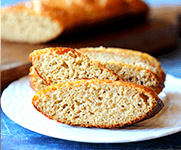
The Blood Sugar Rollercoaster Makes It Worse
Gluteomorphins are only part of the story. Wheat also contains a type of starch called amylopectin A that digests extremely rapidly — faster than almost any other carbohydrate, including table sugar.
The glycemic sequence when you eat wheat bread:
- 0–30 minutes: Blood sugar spikes sharply (often higher than candy)
- 30–90 minutes: Insulin floods the bloodstream to manage the spike
- 90–120 minutes: Blood sugar crashes, often to below baseline
- 2 hours: Brain registers low blood glucose as an emergency → sends powerful hunger and craving signals
So every time you eat wheat bread, you're setting up a craving that will arrive like clockwork two hours later. The opioid-like gluteomorphins make you want more bread specifically. The blood sugar crash makes you ravenously hungry. The two effects compound each other.
This is the cycle: Eat bread → blood sugar spike → insulin crash → hunger → bread cravings → eat more bread → repeat. It's not weakness — it's biochemistry designed to keep you coming back.
The Withdrawal Is Real
If you've ever tried to eliminate bread from your diet — for any reason — you may have experienced what feels like withdrawal. Headaches, irritability, fatigue, brain fog, intense cravings for the first 3–7 days.
Many people interpret this as their body "needing" carbohydrates. But it closely mirrors what happens with other mild opioid dependencies when the substance is removed. The opioid receptors, accustomed to regular gluteomorphin stimulation, are no longer getting activated — and they signal that something is missing.
The discomfort is real. But it's temporary. Most people who get through the first 1–2 weeks find that cravings diminish dramatically — sometimes disappearing almost entirely. The brain's reward system recalibrates once it's no longer being driven by exogenous opioid peptides.
Why You Feel Calm After Eating Bread
Many people describe eating bread as comforting — almost soothing. There's a reason for that. The opioid receptor activation genuinely produces mild anxiety reduction and a sense of calm. This makes bread emotionally appealing beyond just being tasty.
It's particularly strong when you're stressed. Cortisol (the stress hormone) increases appetite specifically for high-carbohydrate comfort foods. Stress → cortisol → bread craving → gluteomorphin activation → temporary calm → reinforced habit. The bread habit gets wired in by emotional associations as well as biochemical ones.
So How Do You Break Free?
The answer isn't to white-knuckle through bread deprivation forever. The answer is a substitute that satisfies the same sensory experience — the texture, the smell, the ritual of a sandwich or a slice of toast — without the gluteomorphins or the blood sugar bomb.
That's what grain-free bread is for. Properly made grain-free bread:
- Tastes like real bread (real crust, soft crumb, actual flavor)
- Creates no gluteomorphins because there's no wheat gluten
- Has negligible effect on blood sugar (1–3g net carbs per slice)
- Delivers fat and protein that creates genuine, lasting satiety
- Preserves the emotional ritual of eating bread without the addiction cycle
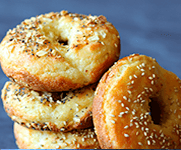
The Problem: Most Grain-Free Bread Recipes Fail the Taste Test
You can't break the bread addiction with a recipe that tastes like cardboard. If the substitute isn't genuinely satisfying, you'll tolerate it for a week and then cave to a real sandwich.
This is where a lot of people fail — not from lack of willpower, but from lack of access to grain-free bread recipes that actually taste as good as wheat bread. Most free recipes online are one person's experiment, not a professionally tested formula.
The difference with a properly developed grain-free bread recipe is that someone has already solved the texture problem, the rise problem, the eggy taste problem, and the crumbling problem for you. You just follow the steps and get bread that genuinely satisfies.
Ready to Swap Wheat Bread for Something Better?
The Keto Breads cookbook contains nearly 40 grain-free bread recipes developed and tested in a professional test kitchen — designed to taste like the real thing without wheat, without gluten, and without the blood sugar and craving cycle. Full nutritional info included for every recipe.
See the Cookbook →What Changes When You Switch to Grain-Free Bread
People who make the switch from wheat to grain-free bread consistently report:
- Week 1–2: Possible adjustment period with mild cravings (the gluteomorphin withdrawal)
- Week 2–4: Cravings reduce significantly; energy stabilizes without the blood sugar rollercoaster
- Month 2+: The idea of going back to wheat bread becomes genuinely unappealing; the "need" for it fades
- Ongoing: Stable energy levels, reduced hunger between meals, better mood regulation, consistent weight loss progress
These are individual experiences and results vary. But the underlying mechanisms — removing exogenous opioid peptides, eliminating amylopectin A blood sugar spikes — are consistent and well-supported in the research.
Summary
- Wheat gluten partially digests into gluteomorphins — opioid-like peptides
- Gluteomorphins cross the blood-brain barrier and activate opioid receptors
- This creates genuine neurological cravings — not just habitual preference
- Wheat's amylopectin A creates rapid blood sugar spikes followed by crashes that amplify cravings
- The "withdrawal" when quitting bread is real but temporary
- Grain-free bread breaks the cycle by delivering the sensory experience without the addictive compounds
Also worth reading: The Hidden Compound in Bread That Blocks Fat Loss — the lectin angle that most people never hear about, even on keto.
Frequently Asked Questions
Does this mean I'm addicted to bread?
The gluteomorphin mechanism creates real neurochemical cravings, but calling it "addiction" in the clinical sense is debated in nutrition research. What's clear is that the cycle of blood sugar spikes, opioid receptor activation, and withdrawal-like symptoms when quitting is biochemically driven — not just a matter of preference or habit. The practical implication is the same either way: eliminating wheat makes cravings dramatically easier to manage.
How long does it take for bread cravings to stop on keto?
Most people experience the worst cravings in the first 3–10 days. After 2–4 weeks of consistent grain-free eating, cravings typically diminish substantially. Having satisfying grain-free bread alternatives on hand during this period makes a significant difference in getting through the adjustment phase.
Is sourdough bread safer because it's fermented?
Sourdough fermentation does partially break down gluten and lectins, and it reduces the glycemic impact somewhat compared to commercial white bread. However, it doesn't eliminate gluteomorphins or the blood sugar cycle entirely. For people with significant bread addiction patterns or active weight loss goals, sourdough is a partial improvement at best — grain-free is the more complete solution.